
New Homes Designed for Lower Utility Costs
Good Construction Incorporated builds energy-efficient homes in Hot Springs, Arkansas.
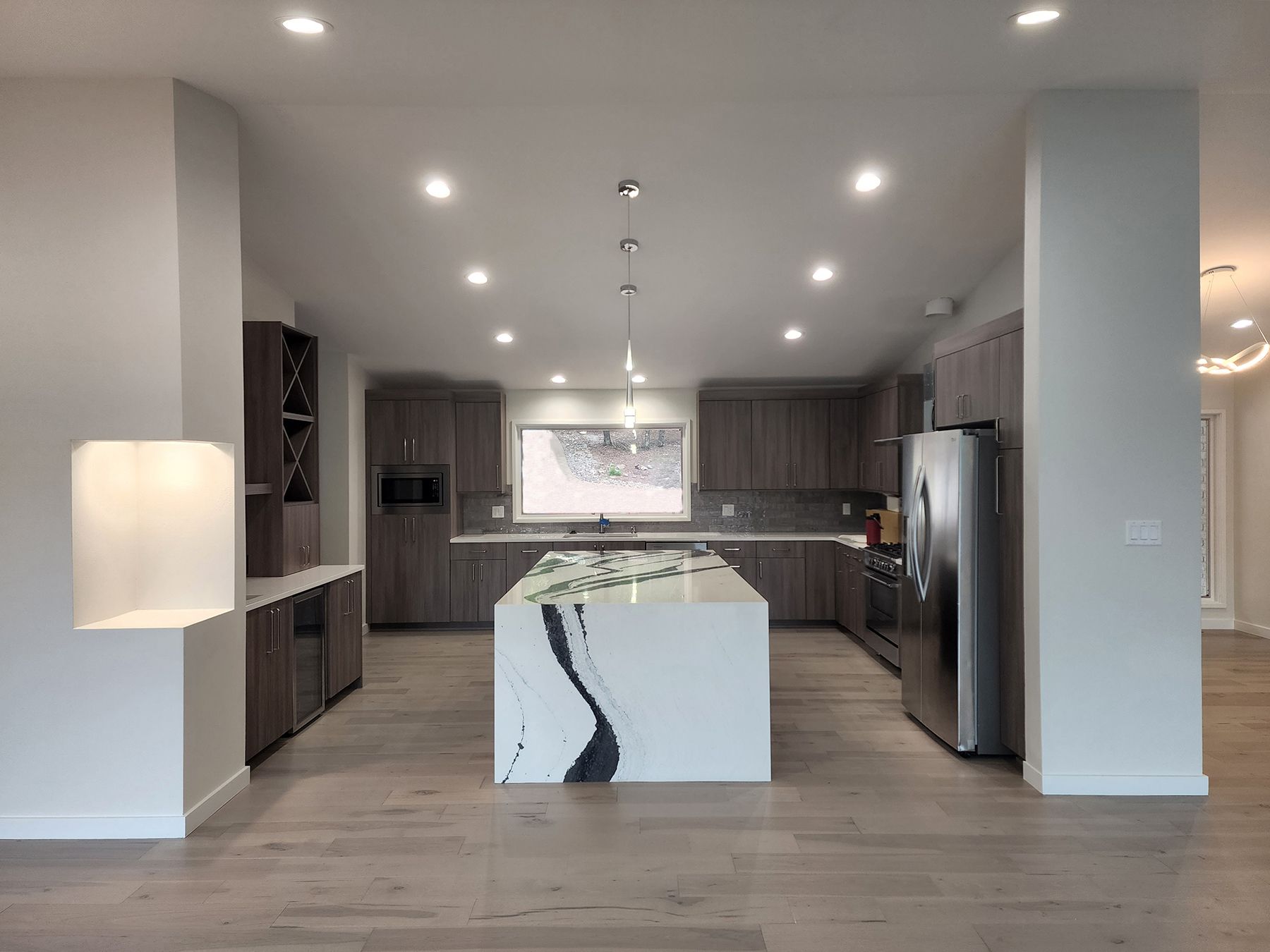
An energy-efficient home in Hot Springs uses insulation, window selection, and HVAC planning to reduce monthly utility costs while improving indoor comfort year-round. Good Construction Incorporated designs these homes with layout strategies that bring in natural light and improve airflow, reducing the need for artificial lighting and mechanical cooling during mild weather.
The build process includes durable materials chosen for performance and longevity, such as sealed wall assemblies, low-emissivity windows, and high-efficiency heating and cooling equipment. These choices lower energy consumption over the life of the home and create more consistent indoor temperatures in Hot Springs, where summer heat and winter cold both affect comfort.
If you want to build a new home in Hot Springs with lower long-term operating costs and better indoor air quality, contact Good Construction Incorporated to review design options.
Building Practices That Lower Energy Use
Your energy-efficient home in Hot Springs begins with envelope planning that minimizes air leakage and thermal loss through walls, windows, and attic spaces. The team installs high-performance insulation, seals joints and penetrations, and selects windows with low U-factors that reduce heat transfer while still allowing natural light to enter living areas.
Once the home is framed and sealed, you will notice more stable indoor temperatures, fewer drafts near windows and doors, and quieter interior spaces because the insulation also dampens outdoor noise. Lower long-term utility costs result from reduced heating and cooling loads, and improved indoor comfort comes from consistent temperatures across rooms without hot or cold spots.
The build includes HVAC sizing based on the home's actual thermal performance rather than square footage alone, so equipment runs efficiently without overworking. Layout choices like deeper roof overhangs and strategic window placement further reduce solar heat gain in summer, and finish materials are selected for durability so fewer replacements are needed over decades.
Questions About Efficient Home Construction
Homeowners interested in energy-efficient construction often ask how these practices affect upfront costs, comfort, and maintenance, so these answers address the most common concerns raised during planning.
What makes a home energy-efficient?
Energy-efficient homes use high-performance insulation, sealed wall assemblies, low-emissivity windows, and right-sized HVAC equipment to reduce heating and cooling loads. Layout and material choices work together to lower energy consumption and improve indoor comfort.
How much can I save on utility bills with an efficient home?
Savings depend on the home's size, insulation quality, and mechanical system efficiency, but most energy-efficient homes reduce monthly utility costs by twenty to forty percent compared to standard construction. Lower energy use also reduces wear on HVAC equipment.
What layout strategies improve natural lighting and airflow?
Strategic window placement, open floor plans, and higher ceilings allow natural light to reach deeper into living areas and encourage cross-ventilation during mild weather. These choices reduce the need for artificial lighting and mechanical cooling in Hot Springs.
Why choose durable materials for an energy-efficient build?
Durable materials require fewer replacements over the home's lifespan, which reduces long-term maintenance costs and waste. Materials selected for performance also tend to hold up better under regional weather conditions in Arkansas.
What should I know before planning an energy-efficient home?
Efficient construction may add upfront costs for upgraded insulation and windows, but those expenses are typically recovered through lower utility bills within several years. Discuss your budget and priorities early so the design balances performance and cost.
Good Construction Incorporated builds energy-efficient homes in Hot Springs using insulation systems, window selections, and HVAC planning designed to lower utility costs and improve indoor comfort. Reach out to schedule a consultation and discuss your new home.