
Stay in Your Home as Your Needs Change
Aging-in-place remodeling in Hot Springs that improves safety, mobility, and long-term independence without institutional design.
As you or a family member gets older, small obstacles in your home start to matter more, like a shower with a high curb that is hard to step over, doorways too narrow for a walker, or a bathroom upstairs when climbing steps becomes difficult. In Hot Springs, many homes were built without accessibility in mind, and making changes later often means working around tight spaces, existing plumbing, and layouts that were not designed for mobility aids.
Good Construction Incorporated provides aging-in-place remodeling designed for long-term independence, including walk-in showers with grab bars, zero-threshold entries, widened doorways, and first-floor bedroom conversions. Accessibility modifications improve safety and mobility while maintaining the home's appearance, so the changes do not look like a hospital retrofit. These upgrades are ideal for retirees and homeowners planning to remain in their homes long-term, and they often increase resale value by making the property accessible to a wider range of buyers.
If you are planning to stay in your Hot Springs home and want to make it easier to navigate as you age, reach out to discuss what modifications make sense for your layout and routine.
Which Modifications Make the Biggest Difference
The most common changes involve bathrooms and entryways, where mobility challenges show up most often. In Hot Springs, Good Construction Incorporated installs curbless showers with slip-resistant tile, repositions toilets for easier transfers, and adds blocking inside walls for grab bars that can support full body weight. Doorways are widened to at least 36 inches, and thresholds are removed or beveled to allow wheelchairs and walkers to pass through without lifting or tilting.
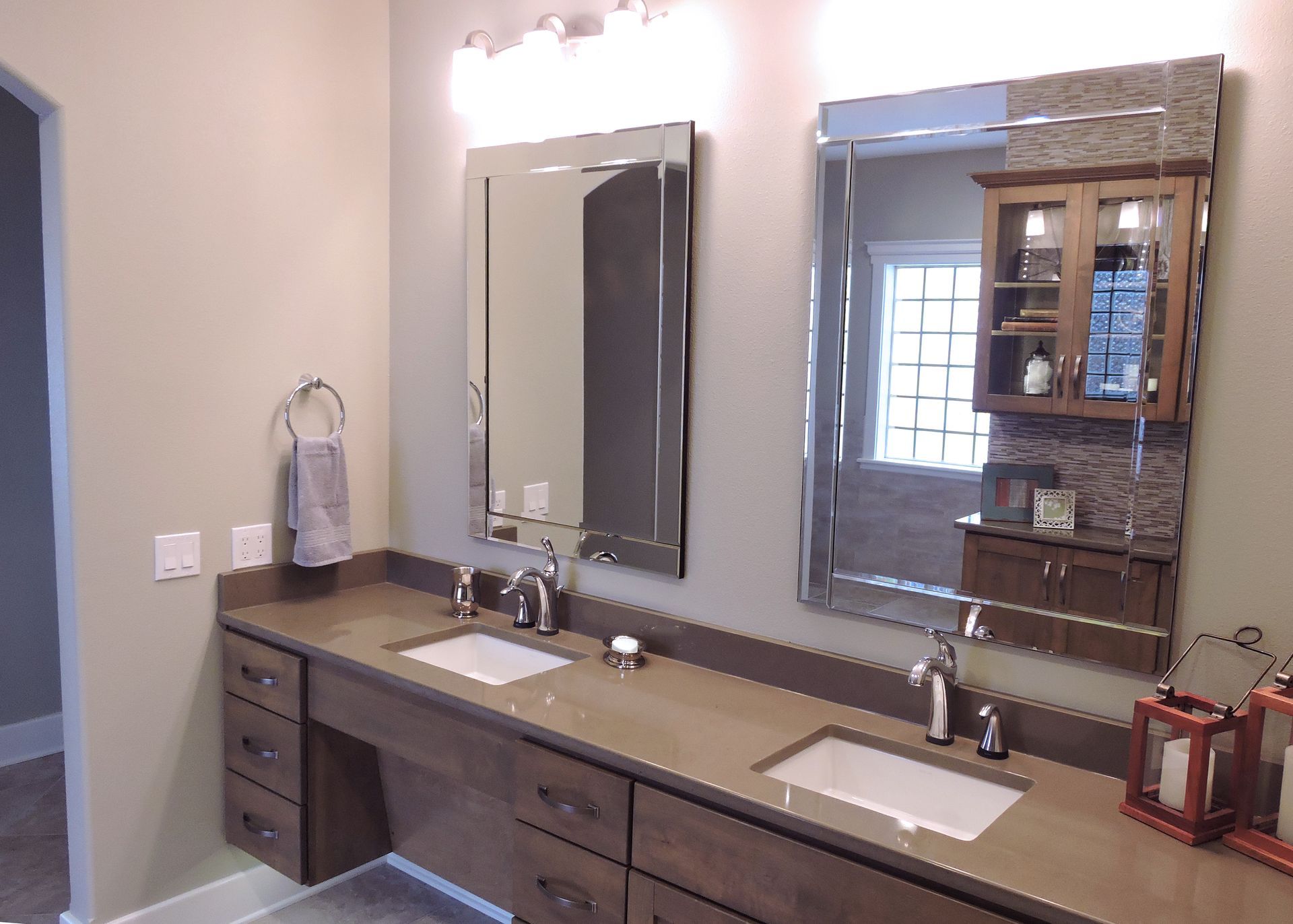
Once the work is complete, you will notice that moving through the house requires less effort and less worry about tripping or losing balance. Showers are easier to enter, doors open wider, and light switches and outlets are positioned within reach from a seated position. Practical solutions maintain home aesthetics, so the finished space looks intentional rather than makeshift.
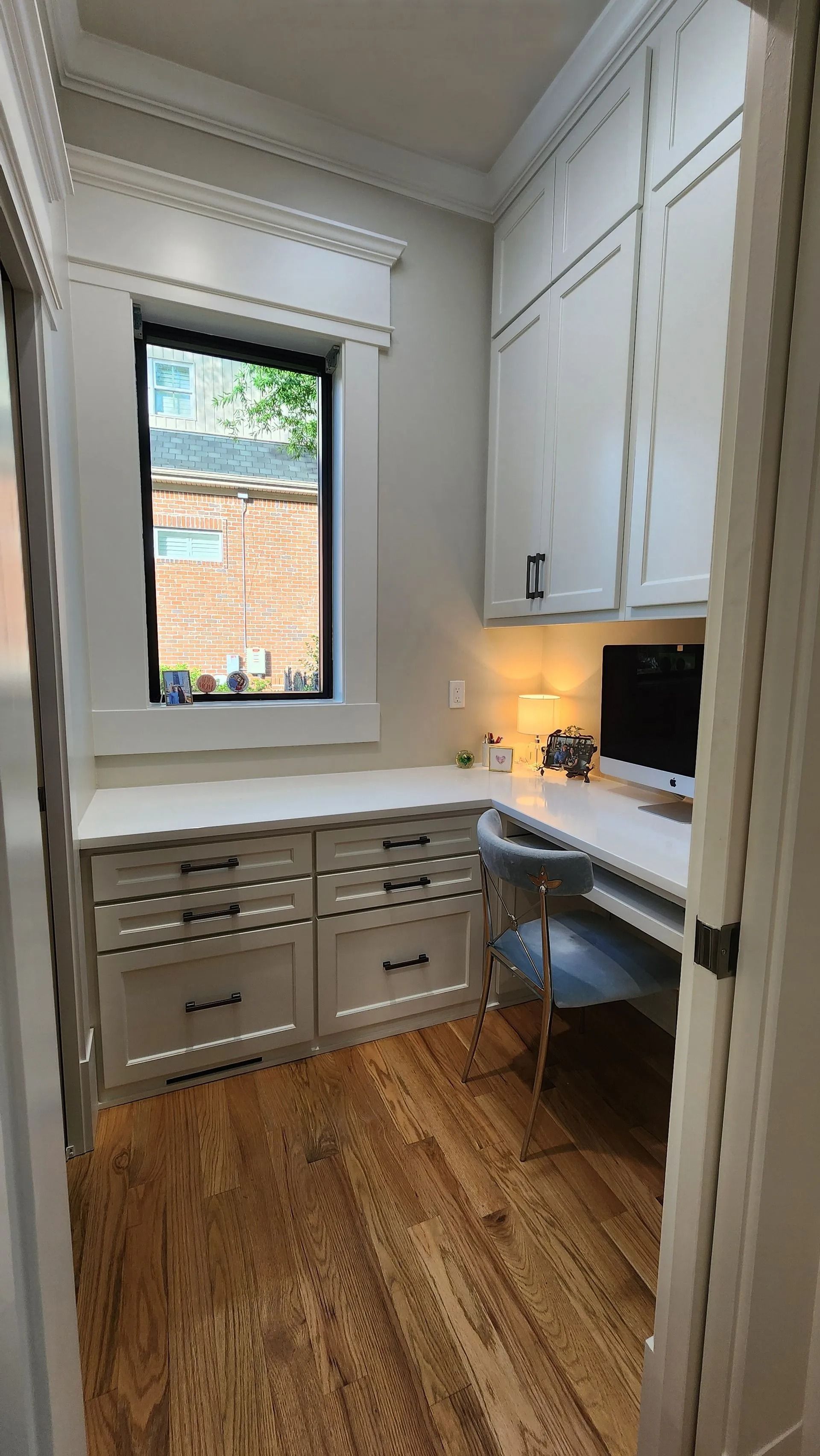
Other modifications include lowering countertops in kitchens or bathrooms for seated use, installing lever-style door handles that do not require gripping and twisting, and adding task lighting in hallways and stairways to reduce fall risk at night. Flooring transitions are minimized to eliminate tripping hazards, and cabinetry is adjusted so frequently used items are within easy reach. These changes can be made during a larger remodel or as standalone projects depending on urgency and budget.
Questions About Making Your Home More Accessible
Homeowners often ask what modifications are most useful, how much the work will cost, and whether the changes will look out of place. The answers depend on your current mobility level, your home's layout, and how long you plan to stay.
What is the most important modification for aging in place?
A first-floor bathroom with a walk-in shower and grab bars is usually the highest priority, especially if stairs are involved in reaching the current bathroom. This single change addresses the most common mobility and safety concerns.
How wide do doorways need to be for wheelchair access?
Doorways should be at least 36 inches wide to allow a standard wheelchair to pass through comfortably. This may require widening the framing and installing a wider door.
Can you install grab bars in any bathroom?
Grab bars need solid backing, either wood blocking installed inside the wall or attached directly to studs. If the walls are already finished, blocking can be added during a remodel or by opening small sections of drywall.
What is a zero-threshold entry and why does it help?
A zero-threshold entry has no step or lip between rooms or at doorways, allowing wheelchairs, walkers, and people with limited mobility to move through without lifting or climbing. This is especially useful at exterior doors and shower entrances.
Do aging-in-place modifications hurt resale value?
No, most accessibility features like wider doorways, walk-in showers, and first-floor bedrooms appeal to a broad range of buyers. These modifications often increase resale value by making the home more functional and inclusive.
If you want to stay in your Hot Springs home as you age and need the space to work better for your mobility, accessibility modifications can make that possible. Good Construction Incorporated builds these features into remodels with careful planning and attention to how you move through your home every day. Get in touch to walk through your space and talk about which changes would help the most.